Colon cancer, also known as colorectal cancer, is no longer a disease that only affects older adults. Cases among people under age 50 are increasing at an alarming rate, making awareness of symptoms and risk factors more important than ever — including here in Stuart and across Martin County, where plenty of residents in their 30s and 40s still assume cancer screening is something to worry about decades from now.
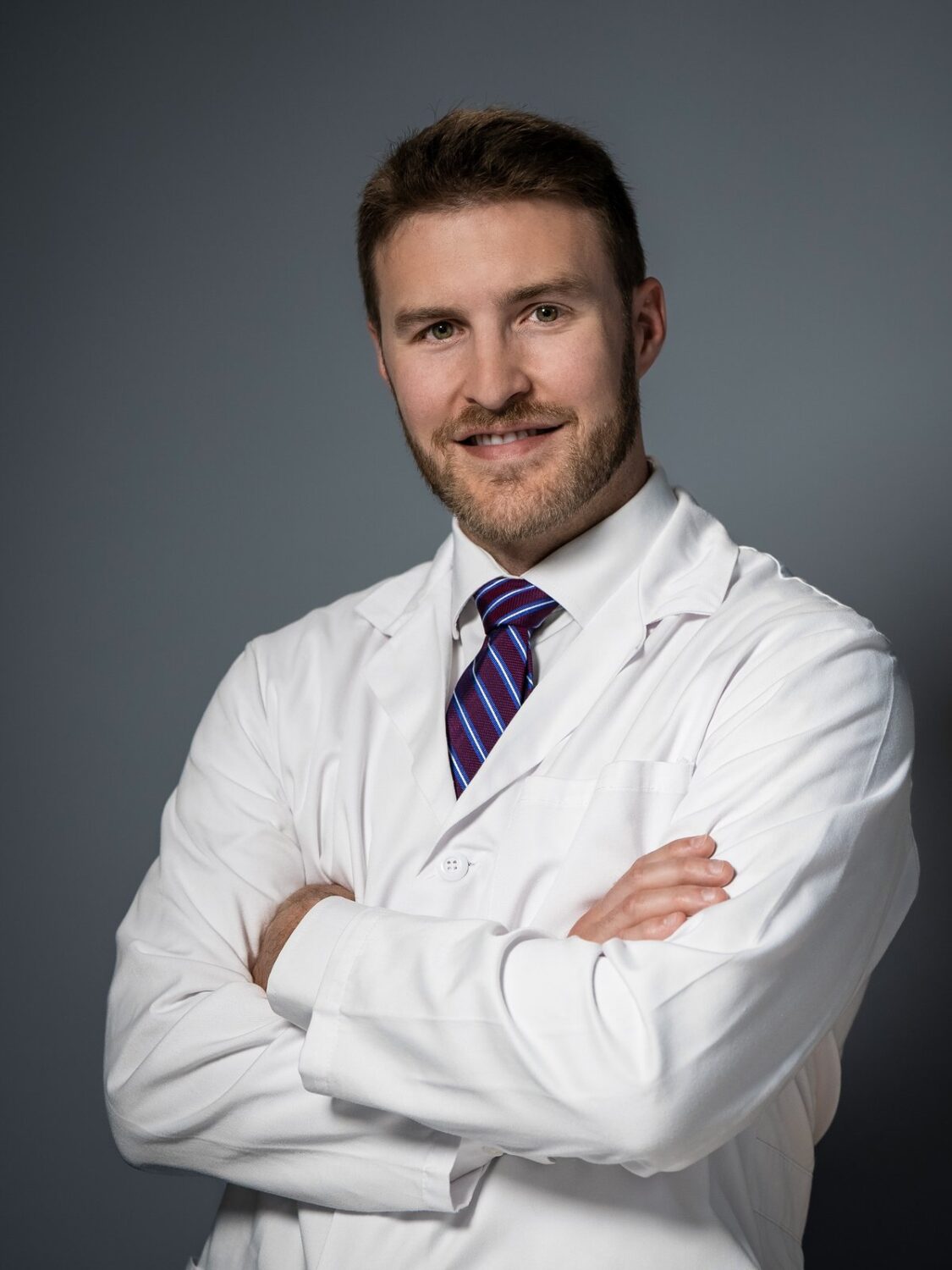
“Many younger adults are surprised to learn they can develop colorectal cancer,” says Dr. Dylan Carmichael, colorectal surgeon with Palm Beach Health Network Physician Group’s Surgical Associates of Port St. Lucie, just north of Stuart in neighboring St. Lucie County. “Unfortunately, we’re seeing more cases diagnosed in people under 50, which is why it’s critical not to ignore symptoms or delay medical evaluation.”
In response to the rise in early-onset colorectal cancer, national screening guidelines now recommend that average-risk adults begin screening at age 45 rather than 50. Early detection is especially important because colorectal cancer often develops slowly, beginning as small growths called polyps in the colon. While most polyps are harmless, some can become cancerous over time.
“Colorectal cancer is one of the few cancers we can often prevent through screening,” says Dr. Carmichael. “A colonoscopy allows us to detect and remove precancerous polyps before they have the chance to become cancer.”
Symptoms To Know
Younger adults should be aware of several warning signs that may indicate a problem. Common symptoms include:
- Rectal bleeding
- Persistent abdominal pain
- Changes in bowel habits, including diarrhea or constipation
- Iron deficiency anemia
- Unexplained fatigue or weight loss
“Any persistent symptom deserves attention, regardless of your age,” Dr. Carmichael says. “Too often, younger patients assume they’re too young for colorectal cancer, which can lead to delays in diagnosis.”
While researchers are still studying why colorectal cancer rates are climbing among younger adults, several factors may contribute, including obesity, unhealthy diets, sedentary lifestyles, alcohol use and environmental influences.
Screening Remains The Best Defense Against Colon Cancer
For many people, concern about the screening process itself can be a barrier. However, a colonoscopy is typically a straightforward outpatient procedure. Patients complete a bowel preparation the day before, and the procedure itself usually takes less than an hour. Most patients receive sedation and are comfortable throughout the exam. For Treasure Coast patients, it is an appointment that fits inside a single morning.
“If you have symptoms, a family history of colorectal cancer or polyps, or you’re due for screening, don’t put it off,” says Dr. Carmichael. “When colorectal cancer is found early, treatment is often more effective, and outcomes are significantly better.”
The bottom line: Know the symptoms, understand your risk and talk to your doctor about screening. Early detection can save lives.
Learn more at palmbeachhealthnetwork.com.